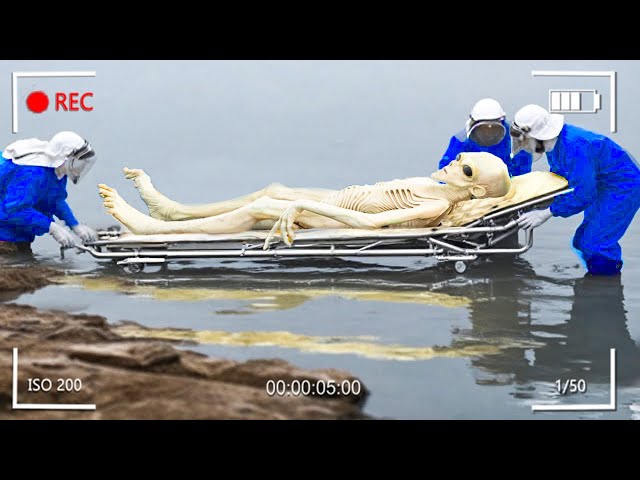

In a groundbreaking announcement that has left the scientific community and the public reeling, a team of researchers has confirmed the discovery of extraterrestrial life forms on a distant exoplanet. This revelation, the culmination of years of rigorous research and exploration, not only validates decades of speculation but also raises profound questions about the nature of life beyond Earth. The implications of this discovery have sparked excitement and fear in equal measure, leaving everyone wondering what comes next.
The announcement was made at a press conference held by a collaborative team of scientists from various institutions around the globe, including NASA, the European Space Agency, and several prominent universities. The researchers revealed that, after extensive analysis of data collected from the James Webb Space Telescope, they had identified signs of microbial life in the atmosphere of a planet located in the habitable zone of its star, approximately 40 light-years away from Earth.
Lead scientist Dr. Emily Tran stated, “We have detected biosignatures, or chemical indicators of life, in the atmosphere of this exoplanet. The presence of these gases suggests that microbial life exists, which is nothing short of revolutionary.” The team provided evidence of gases such as methane and oxygen existing in quantities that cannot be easily explained by non-biological processes, suggesting a biological origin.
The announcement has sent shockwaves through the scientific community and beyond. While many have long theorized about the existence of life on other planets, concrete evidence had always remained elusive. The confirmation of extraterrestrial life forms has not only excited scientists but has also led to widespread discussions about the implications for humanity, philosophy, and the future of space exploration.
However, what happened next truly shocked everyone. In the days following the announcement, various governments and organizations around the world began to take action. A previously secretive international summit was convened to address the implications of the discovery. World leaders and scientists gathered to discuss not only the scientific ramifications but also the ethical, political, and social consequences of confirming alien life.
During the summit, discussions centered around the potential for future exploration, communication with extraterrestrial life, and the need for global cooperation in space research. A sense of urgency permeated the atmosphere as leaders recognized the importance of collaboration in addressing the challenges and opportunities presented by this monumental discovery.
Social media erupted with reactions, ranging from excitement and curiosity to fear and skepticism. Memes, theories, and debates flooded platforms as people shared their thoughts on what this discovery could mean for humanity. Some expressed concerns about the potential risks of contacting alien life, while others advocated for exploration and the pursuit of knowledge.
Additionally, religious and philosophical leaders weighed in on the discovery, with many grappling with the implications for humanity’s place in the universe. Some religious groups viewed it as a validation of their beliefs, while others raised questions about the nature of creation and the role of humans within the cosmos.
As scientists continue to analyze the data and prepare for future missions, the world is left on the edge of its seat. What does this mean for our understanding of life? How will this discovery impact future space missions? Will humanity find a way to communicate with these extraterrestrial beings?
In conclusion, the confirmation of alien life by scientists has initiated a whirlwind of excitement, debate, and introspection across the globe. As humanity grapples with this newfound knowledge, the implications stretch far beyond the realm of science, inviting deeper questions about our existence and the universe we inhabit. The journey has just begun, and the world watches eagerly as scientists prepare for what lies ahead.