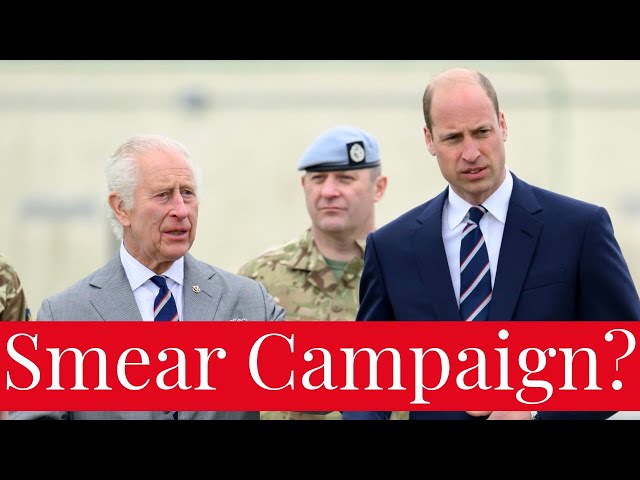
 In a startling turn of events, mainstream media (MSM) has initiated a comprehensive smear campaign targeting King Charles III and his son, Prince William. This unprecedented move has sent shockwaves throughout the United Kingdom and beyond, as sensational allegations and purported evidence have emerged, aiming to undermine the reputation of the British royal family. The public is left reeling, grappling with the implications of these revelations.
The media frenzy began when several leading news outlets published a series of articles containing allegations against the royal duo. The reports claim to unveil a hidden narrative involving controversial dealings and personal conduct that allegedly contradicts the values upheld by the monarchy. Sources close to the royal family have expressed concern over the veracity of these claims, suggesting that the information may have been manipulated or taken out of context to create a more scandalous story.
One particularly shocking revelation involved leaked documents purportedly detailing private conversations between the King and various advisors. These documents allege that King Charles made comments regarding public perception and media strategy that some interpreted as dismissive of public opinion. While the authenticity of these documents has yet to be verified, they have already ignited a firestorm of criticism and speculation.
Prince William has not been spared from the media’s scrutiny either. Reports have surfaced alleging that he was involved in questionable financial dealings during his tenure with various charitable organizations. These claims are especially damaging given William’s long-standing reputation as a champion of philanthropy and mental health awareness. Critics argue that the timing of these allegations, coinciding with heightened public interest in royal affairs, raises questions about the motivations behind the campaign.
As the story unfolds, public reaction has been mixed. Many royal supporters are rallying behind the monarchy, denouncing the media’s tactics as a calculated attempt to destabilize the royal family during a time when they are striving for unity and transparency. On social media platforms, hashtags such as #DefendTheMonarchy and #RoyalTruth have trended as supporters voice their outrage at what they perceive as an unjust attack on the Crown.
Conversely, there is a significant portion of the public that remains skeptical of the royal family. Many citizens have expressed a growing disillusionment with the monarchy, feeling that the royal family should be held to the same standards as the rest of society. The current allegations, whether true or fabricated, have reignited debates about the relevance and accountability of the monarchy in modern Britain.
The royal family has yet to issue an official statement regarding the allegations. However, insiders suggest that they are preparing a measured response, one that emphasizes their commitment to transparency and public service. As the family navigates this tumultuous period, their handling of the situation will be crucial in determining public perception and support.
The media’s role in shaping narratives around the royal family cannot be understated. As history has shown, the relationship between the monarchy and the press has always been a complicated one, marked by both collaboration and conflict. In this latest chapter, it remains to be seen whether the media’s allegations will have a lasting impact on the royal family’s standing or if they will ultimately reinforce the public’s loyalty to the Crown.
In conclusion, the ongoing smear campaign against King Charles and Prince William poses significant challenges for the British royal family. As shocking revelations surface and public opinion sways, the monarchy’s response will be pivotal in navigating this crisis. The coming weeks will likely reveal not only the truth behind the allegations but also the resilience of the institution that has endured for centuries.