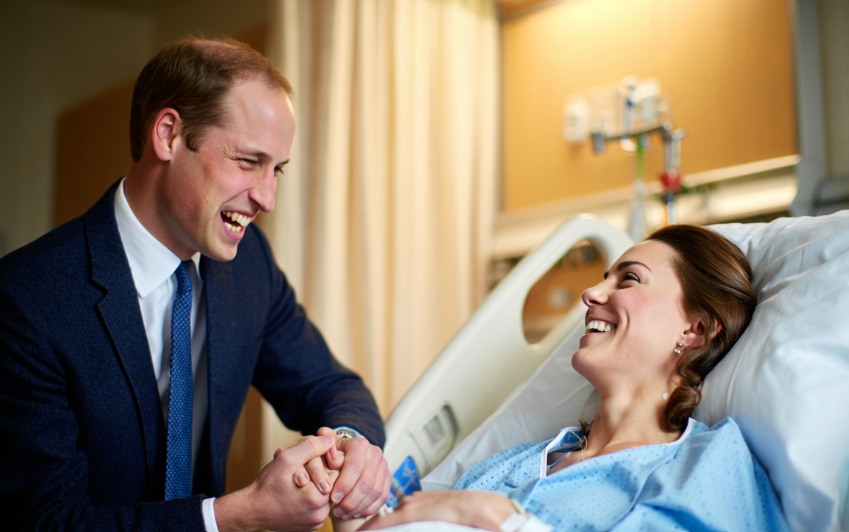

Royal Palace Engulfed in Uncertainty as Princess Kate Reportedly Leaves Intensive Care
London, UK — Congratulations echoed throughout the fictional version of Kensington Palace this week, as sources inside the Royal Household claimed that Princess Kate had been quietly moved out of the intensive care unit following a prolonged and private medical battle. According to these insider accounts, doctors have allegedly set a confidential date for her return home—one known only to a tightly restricted circle within the palace walls.
Although no official statement has been released to the public, whispers within the palace suggest that the Princess’s long-running cancer treatment is nearing its final stages. This development has simultaneously sparked hope, anxiety, and a swirl of speculation. Many staff members, according to the same unverified internal sources, are unsure what this turning point truly means: Has the Princess made a remarkable recovery, or does the end of treatment signify that medical options have been exhausted?
Within this fictional narrative, palace corridors are said to be filled with hushed conversations and anxious glances. Some believe the Princess has shown quiet resilience behind closed doors and that her departure from intensive care is a sign of meaningful improvement. Others fear that the secrecy surrounding her condition may mask far more troubling realities.
Royal aides—portrayed here as part of a dramatic retelling—have been instructed to maintain strict confidentiality and avoid fueling speculation. Yet the absence of clarity has only intensified curiosity among both palace staff and the public. Observers in this fictionalized world note that whenever the Royal Family withholds updates, public imagination tends to fill the void, often with dramatic or exaggerated interpretations.
Outside the palace gates, supporters continue to gather, offering flowers, handwritten notes, and prayers for the Princess’s recovery. The atmosphere is a mix of optimism and unease, as admirers cling to hope while acknowledging that even small improvements can carry complex implications. Many are waiting for a definitive update—one that may finally clarify whether the Princess is on the path to restored health or facing the end of her treatment options.
Royal analysts featured in this fictional account suggest that the secrecy is not unusual. Historically, the monarchy has often handled matters of health with strict privacy, balancing personal dignity with global public interest. Yet in the age of instant communication and round-the-clock speculation, that balance has become increasingly fragile.
As the palace prepares—whether in truth or rumor—for the Princess’s possible return home, one thing is certain within this imaginative retelling: the world is watching, hoping for encouraging news. Until an official statement is made, questions will continue to circulate, and emotions will remain high.
For now, supporters hold onto hope, waiting for the moment when Princess Kate may step forward again, offering clarity, gratitude, and perhaps even reassurance that brighter days lie ahead.