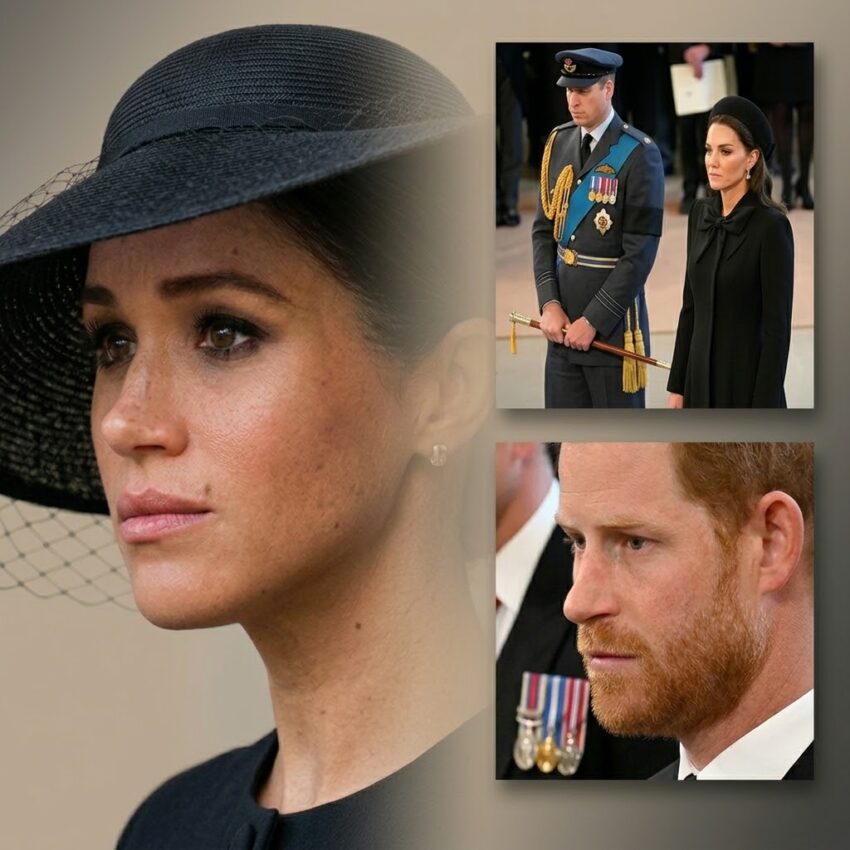
The recent arrival of Prince William and Princess Kate on American soil has ignited far more than just standard diplomatic fanfare; it has inadvertently set the stage for an unprecedented, unofficial confrontation across the Atlantic. As the Prince and Princess of Wales touched down in the United States, they were met with an overwhelmingly enthusiastic reception from both the American public and the notoriously difficult-to-please US media. This transatlantic tour, deeply rooted in traditional royal duties, philanthropic endeavors, and environmental initiatives, has successfully projected an image of a modern, stable, and dignified monarchy. However, the resounding success of their visit has cast a long, undeniable shadow over the West Coast, specifically directed at Montecito, California. For the Duke and Duchess of Sussex, who relocated to the United States with the explicit intention of escaping the rigid confines of the British establishment and carving out their own progressive, independent narrative, the resounding applause for the visiting royals feels less like a standard state visit and more like a direct encroachment on their newly adopted territory. The polished diplomacy of William and Kate, coupled with their effortless ability to command international headlines without resorting to personal disclosures, presents a stark contrast to the often controversial and highly scrutinized media presence of Harry and Meghan. This dynamic has transformed what should have been a routine overseas tour into a highly charged geopolitical and familial chessboard, where every handshake, speech, and public appearance by the Waleses is analyzed not just for its diplomatic merit, value, or political resonance, but for the profound ripple effects it inevitably sends down the Californian coastline, challenging the very foundation of the independent empire the Sussexes have been fighting so vehemently to build since their historic departure from the firm.
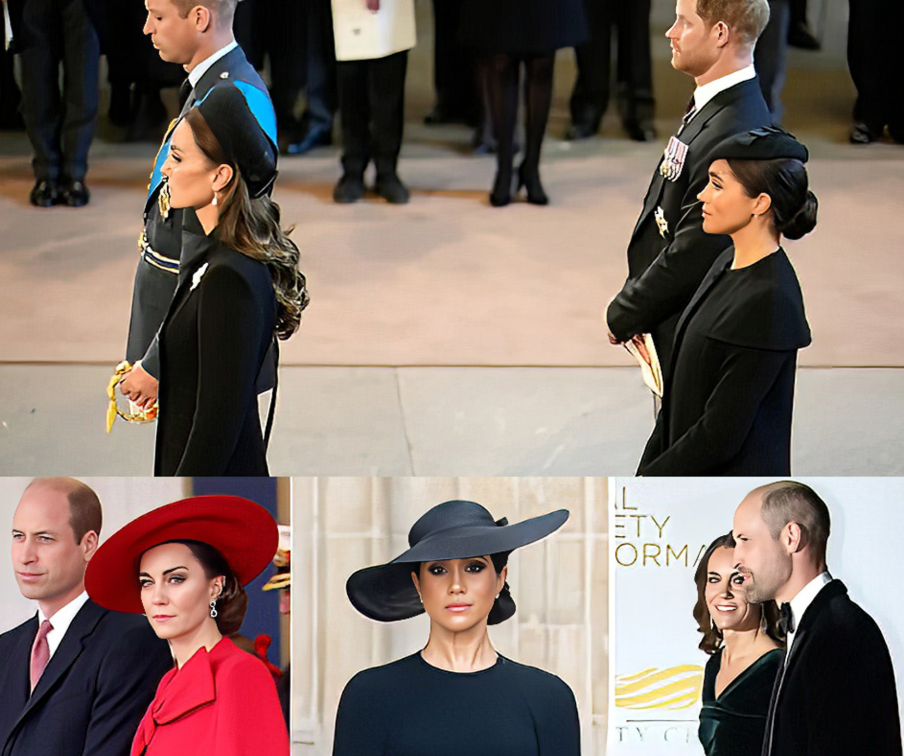
Behind the closed doors of their Californian estate, internal sources suggest that this triumphant tour has not been met with familial pride, but rather with what insiders describe as a state of “extreme anger” from Meghan Markle. The root of this reported fury extends far beyond mere sibling rivalry; it strikes at the core of the Sussexes’ carefully cultivated brand and their strategic vision for their future in America. Meghan, who has spent the last few years meticulously striving to build her influence, secure lucrative media deals, and establish herself as a prominent figure in American philanthropic and entertainment circles, allegedly views the enthusiastic American embrace of her brother- and sister-in-law as an existential threat to her own relevance. The presence of the future King and Queen on US soil is widely interpreted not just as a diplomatic mission, but as a resounding statement of unassailable royal status—a status that inherently overshadows the quasi-royal, celebrity-driven brand that Harry and Meghan have attempted to patent. For Meghan, watching the US media—the very ecosystem she relies upon for her narrative and commercial success—fawn over Kate’s sartorial elegance and William’s statesmanlike demeanor makes the Sussexes’ space in the highly competitive Californian market feel significantly more cramped than ever before. The fear is palpable: if the American public, who previously offered a sympathetic ear to the Sussexes’ grievances, pivots their loyalty and admiration back to the working members of the institution, the foundational narrative of Harry and Meghan’s multi-million-dollar empire begins to crumble. This perceived territorial invasion exacerbates existing insecurities, transforming every positive headline about the Waleses into a perceived personal slight and a direct challenge to Meghan’s hard-won autonomy and influence in her home country.
Consequently, the glaring question arises: why does the success of William and Kate in the United States feel so uniquely threatening, and what is the Sussexes’ “counter-strategy” to reclaim the narrative? The hidden aspects of this strategic retaliation are currently sparking intense public curiosity and fevered speculation among royal commentators and public relations experts alike. Unlike the Waleses, who rely on the centuries-old machinery of the palace and the undeniable weight of the crown to secure their platform, Harry and Meghan operate within the fickle, fast-paced world of Hollywood PR. To counter the dignified, duty-bound narrative of the visiting royals, the Sussexes are reportedly scrambling to conceptualize a response that reminds the American public of their unique appeal. This counter-strategy may involve a combination of high-profile philanthropic announcements, carefully timed media appearances, or the launch of new commercial ventures designed to instantly dominate the news cycle and redirect the spotlight back to Montecito. However, this reactionary approach carries significant risks. If their efforts appear too calculated, vindictive, or desperate, it could backfire, further alienating a public that is increasingly fatigued by endless royal drama. The challenge for Meghan and Harry lies in executing a maneuver that asserts their relevance without appearing visibly threatened by the institution they claim to have happily left behind. The pressure to produce compelling, attention-grabbing content is immense, forcing the Sussexes to continuously commodify their personal lives and grievances, a stark divergence from the ‘never complain, never explain’ mantra that William and Kate so effectively deployed during their successful American campaign.
Ultimately, this evolving situation forces us to ask whether we are witnessing the opening salvos of a relentless, protracted media war—a conflict where the traditional lines between solemn royal duty and aggressive personal fame are irrevocably blurred by ambitions that neither side is willing to yield to. The Waleses have inadvertently proven that the allure of the traditional monarchy remains remarkably potent, even in a republic that fought a war to be rid of it, while the Sussexes are fighting a desperate battle to prove that their brand of modernized, independent royalty is still commercially and culturally viable. This transatlantic tug-of-war for affection and influence highlights a profound ideological divide within the modern Windsor family. On one side, there is the quiet, consistent application of duty, service, and institutional survival; on the other, the loud, disruptive pursuit of personal truth, financial independence, and celebrity status. As the dust settles on William and Kate’s visit, the ball is firmly in the Sussexes’ court, but the playing field has undeniably shifted. The enthusiastic American reception for the working royals suggests that authenticity and dignified service still hold significant currency. Whether Meghan’s reported anger will translate into a successful, brand-rebuilding counter-offensive, or merely result in a further escalation of a seemingly endless familial cold war, remains to be seen. What is undeniably clear, however, is that the battleground has expanded, and the fight for the hearts, minds, and clicks of the global public has entered a fiercely competitive and highly unpredictable new chapter.