For decades, the world has remained captivated by Princess Diana, not just as a royal figure, but as a woman whose humanity quietly reshaped the meaning of the monarchy.
Behind the public image, beyond the flash of cameras, there existed a private voice, one that spoke not in headlines, but in handwritten lines filled with emotion, doubt, and unwavering love.
Now, with the resurfacing of deeply personal letters, that voice feels closer than ever, offering a rare and intimate glimpse into the life she lived away from public expectation.
Among those letters are reflections that reveal not scandal, but something far more enduring, the inner world of a mother determined to protect her children at any cost.
Her words trace a journey that begins with youthful innocence, a young woman stepping into royal life with hope, curiosity, and a sense of wonder.
But as time unfolds, the tone shifts, gently at first, then more visibly, shaped by pressure, scrutiny, and the emotional weight of a life lived under constant observation.
What remains constant, however, is her devotion to Prince William and Prince Harry, a love that grounds every thought, every worry, every quiet hope she committed to paper.
In these letters, Diana is not a symbol or an icon, she is simply a mother, fiercely protective, deeply aware of the world her sons are growing into.
She writes not just of moments, but of meaning, of wanting them to understand life beyond privilege, to feel empathy, to see people not through status, but through shared humanity.
This belief guided her choices, from school runs to spontaneous outings, from carefully chosen public appearances to private efforts to give her sons a sense of normal life.
Even small details carry weight, handwritten notes of gratitude, mentions of birthdays, fleeting glimpses of laughter that reveal a life more ordinary than the world ever imagined.
Yet beneath that warmth lies an undercurrent of concern, an awareness of how powerful and, at times, intrusive the media could be.

Diana understood that attention could shape reality, and she worked carefully to balance visibility with protection, offering the public just enough while shielding what mattered most.
It is within this tension that her legacy becomes clearer, not as a figure defined by controversy, but as a woman navigating an impossible balance with quiet determination.
Her later reflections, written during more difficult years, reveal a growing sense of vulnerability, a feeling of being watched, misunderstood, and at times, alone.
And yet, even in those moments, her focus never drifts far from her sons, from their future, their well-being, and the kind of men she hoped they would become.
May you like

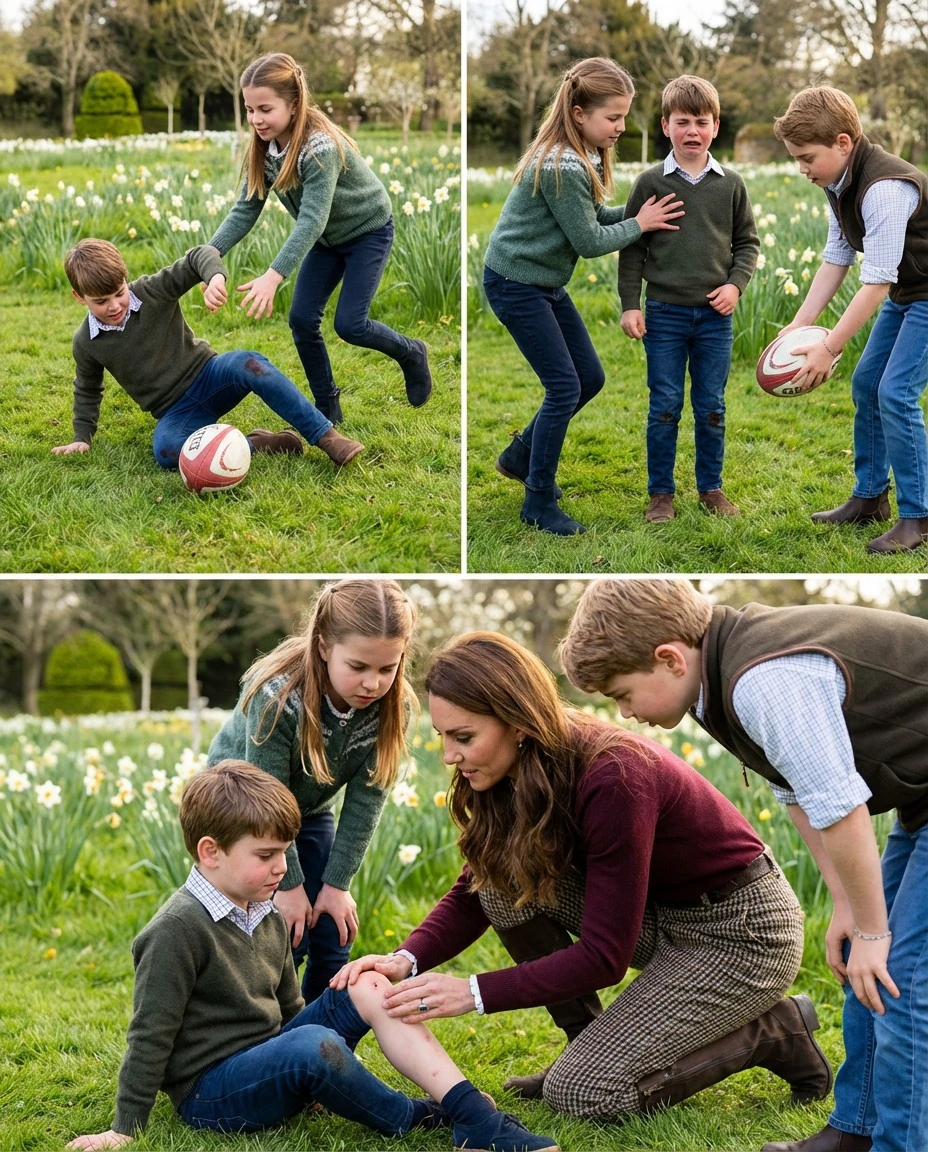
She did not want them to inherit only duty, she wanted them to inherit compassion, to lead not from distance, but from connection.
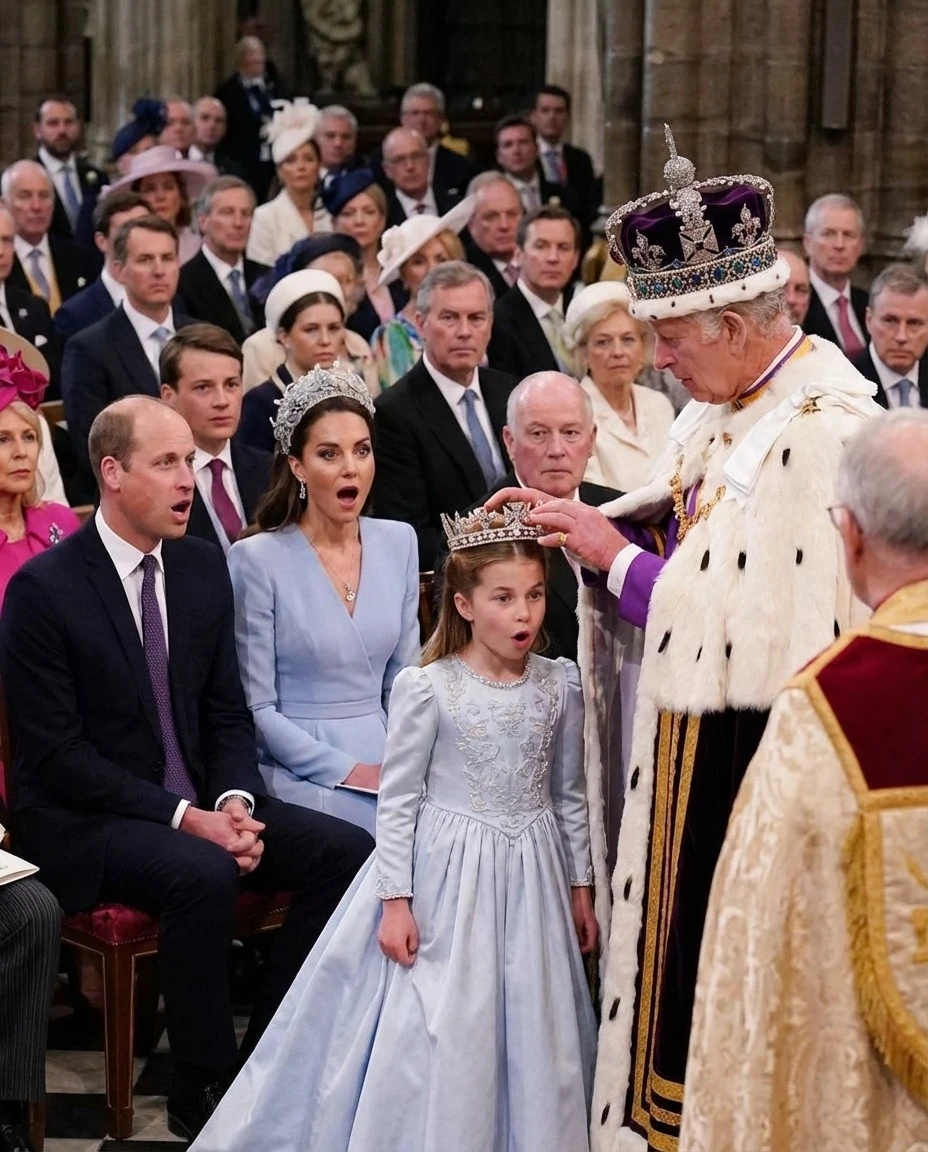
That vision, once seen as unconventional, now feels strikingly familiar in the way the next generation of the royal family presents itself to the world.
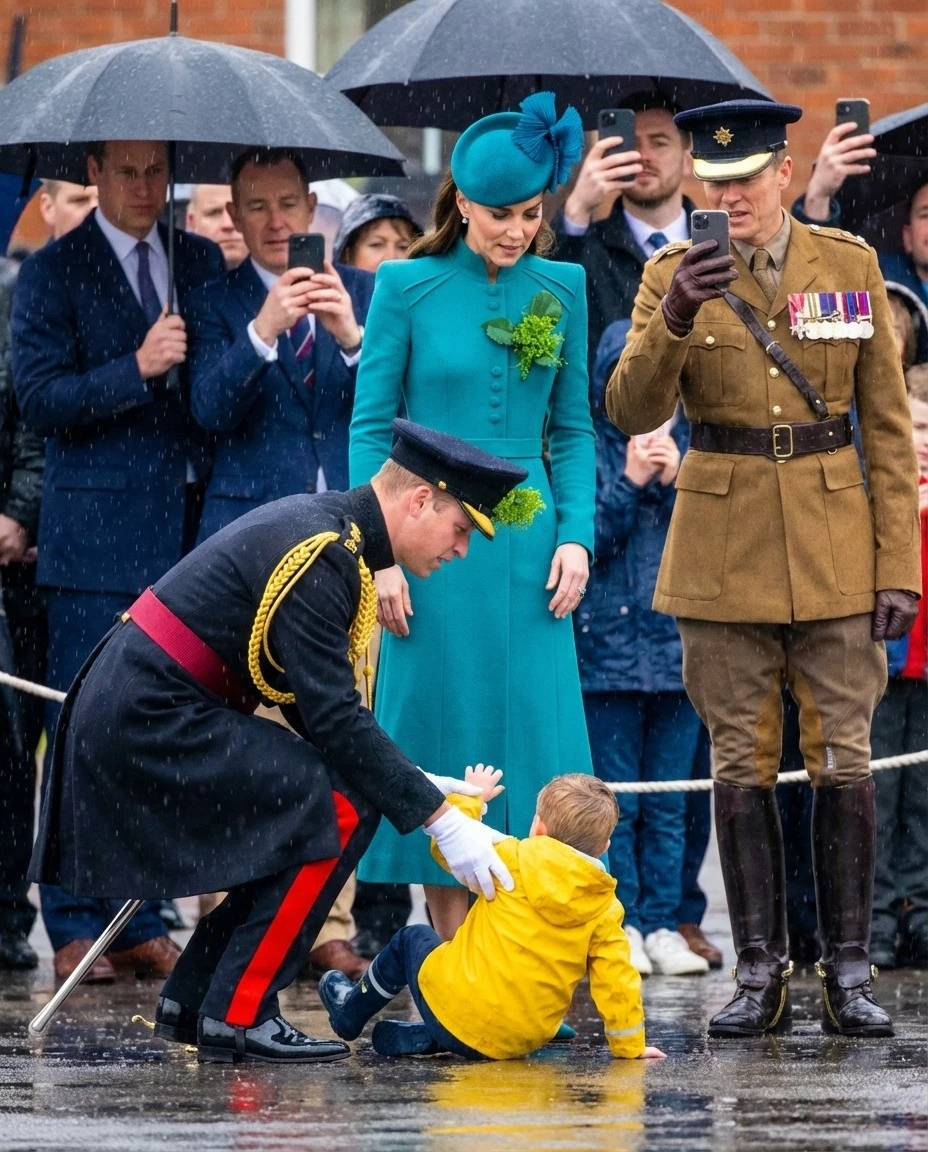
Prince William, in particular, carries echoes of that influence, a measured balance between responsibility and relatability that many trace back to his mother’s quiet guidance.
The letters do not rewrite history, but they deepen it, reminding us that the public story was only ever part of a much larger, more complex truth.
They also bring renewed attention to the role of the media during her lifetime, a force Diana both engaged with and feared.
References to misleading narratives and manipulative reporting practices serve as a stark reminder of the pressures she faced and the consequences they carried.
In that context, her private words take on even greater significance, not as accusations, but as reflections of a woman trying to make sense of a world that often felt beyond her control.
What makes these letters so powerful is not revelation, but recognition, the sense that behind the myth was someone deeply human, navigating love, fear, and responsibility all at once.
They remind us that legacy is not built only through public acts, but through quiet choices, through the values passed on, and the lives shaped in private moments.
Diana’s greatest influence may not lie in what the world saw, but in what her sons carry forward, a way of seeing, of feeling, of leading that continues to evolve.
In the end, these letters do not ask us to change how we see her, they ask us to see more clearly.
Not just the princess the world adored, but the mother who wrote in the margins of history, leaving behind not answers, but something far more lasting, understanding.