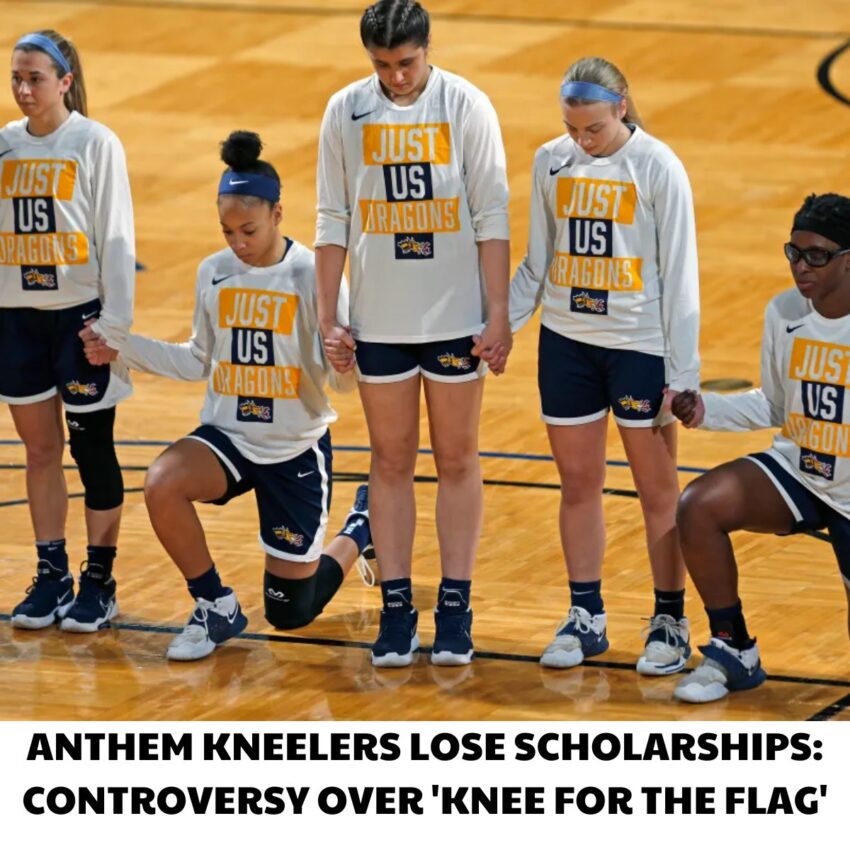

In a shocking turn of events, a new mandate requiring athletes to ‘kneel before the flag’ while singing the national anthem has ignited a fierce wave of controversy across the sporting world. This unprecedented directive has drawn strong reactions from players, fans, and commentators alike, raising important questions about patriotism, freedom of expression, and the role of athletes in societal issues.
The directive emerged from governing bodies in various sports leagues, aiming to establish a unified stance on national pride and respect during ceremonial moments. Proponents argue that kneeling serves as a powerful symbol of solidarity and reverence for the nation. However, the requirement has been met with significant backlash from those who see it as an infringement on personal beliefs and freedoms.
Critics of the mandate contend that forcing athletes to kneel undermines the very principles of democracy and freedom that the national anthem represents. Many athletes view this requirement as coercive, stripping them of their autonomy to express their beliefs in their own way. The outcry has been particularly vocal on social media, where hashtags like #FreedomToStand and #KneelingControversy have trended, reflecting a growing divide among the public.
One prominent athlete, who chose to remain anonymous for fear of repercussions, stated, “I believe in respecting my country, but I also believe in the right to express my thoughts and feelings in my own manner. This mandate feels like a step backward.” Such sentiments echo the views of many who argue that patriotism should not be enforced but rather embraced voluntarily.
The controversy has not only affected athletes but has also spilled over into fan interactions. While some fans support the kneeling initiative, others have expressed outrage, leading to heated debates in stadiums and online. This division highlights the deep-seated emotions tied to national identity and the ways in which sports serve as a microcosm of larger societal issues.
Moreover, the repercussions for athletes who refuse to comply with the mandate are severe. Reports indicate that those who choose to stand or express dissent will face substantial fines and potential suspensions. This has intensified fears that the enforcement of such rules could stifle important conversations about social justice and equity—issues that have become increasingly significant in recent years.
The fallout from this mandate has prompted discussions about the responsibilities of athletes as public figures. Many believe that sports should be a platform for free expression, allowing athletes to advocate for causes they are passionate about. The risk of punitive measures may discourage athletes from using their voices for change, which could ultimately undermine the progress made in advocating for social issues.
As the debate continues, sports organizations find themselves at a crossroads. They must navigate the complexities of tradition, patriotism, and social justice while considering the perspectives of their athletes and fans. The outcome of this controversy may set a precedent for how sporting events are intertwined with national identity and personal expression in the future.
In conclusion, the requirement for athletes to kneel before the flag during the national anthem has sparked a significant controversy that transcends sports. As this situation unfolds, it invites a deeper examination of the values we uphold as a society and the ways in which we honor both our nation and the individuals who contribute to its legacy. The debate is far from over, and its resolution could have lasting implications for the relationship between sports and societal values.